
The Cleanest Digital Cashout Method in 2026
Gift card carding remains the most streamlined digital cashout method in 2026. Unlike physical merchandise, it eliminates shipping logistics, delivery windows, and reshipper complications. The process is simple: card verification → digital code delivery → conversion to resellable digital goods or cryptocurrency — all completed within minutes. However, the gift card landscape has evolved significantly as retailers have patched previous loopholes and developed more sophisticated fraud models that now flag velocity patterns across gift card SKUs.
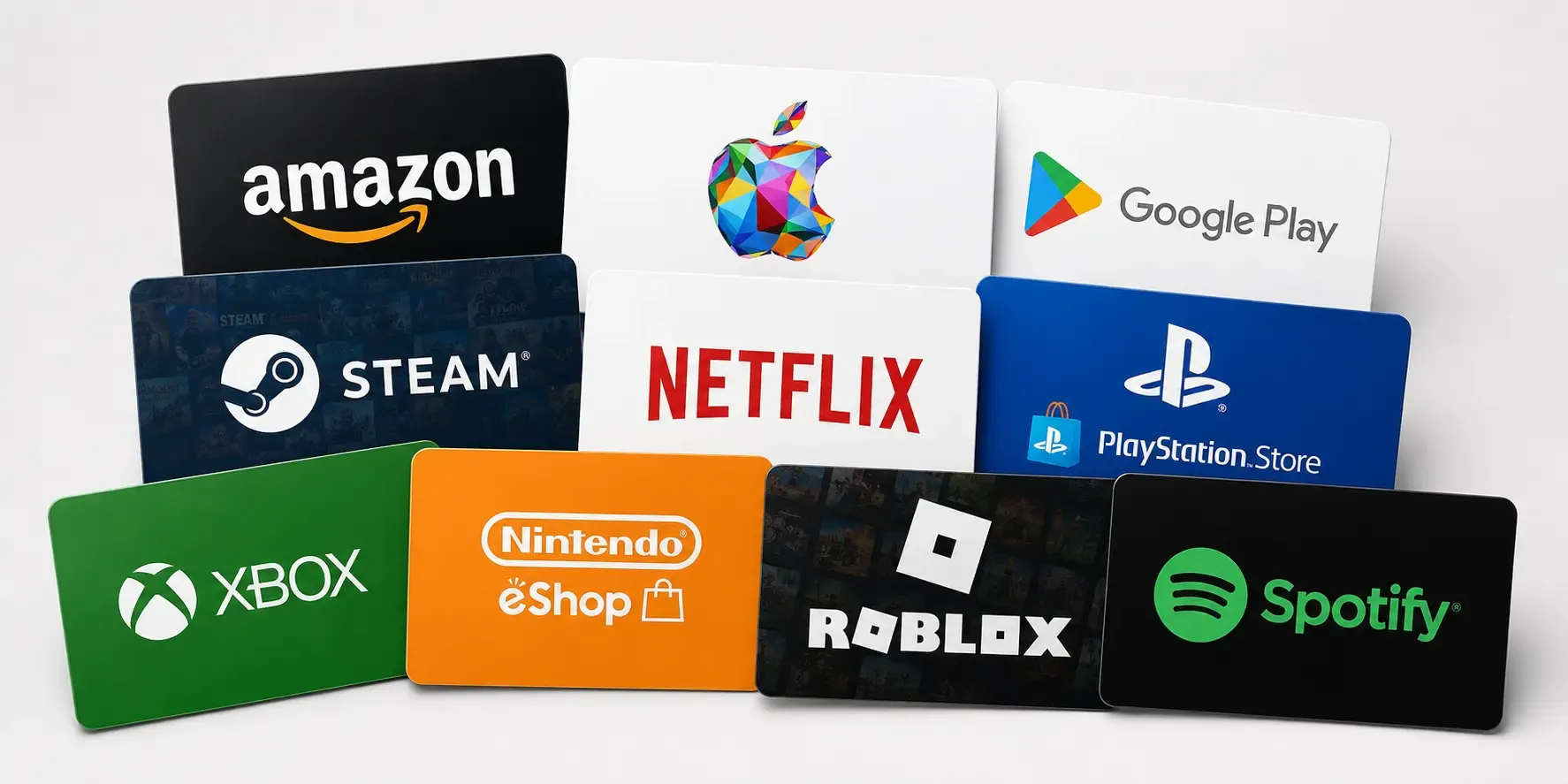
This comprehensive guide covers every major gift card platform — Google Play, Amazon, Walmart, Target, Best Buy, GameStop, Steam, and Spotify — with platform-specific AVS behavior, BIN compatibility, and cashout conversion strategies for each.
Why Gift Card Carding Remains Effective in 2026
Gift cards are processed as digital SKUs through different gateways than physical merchandise. Many retailers utilize third-party processors for digital gift cards with weaker AVS enforcement and outdated fraud models. The process requires no shipping address verification, signature confirmation, or ID checks — simply card details → digital code → cashout.
Several factors determine whether your transaction will clear successfully:
Get $5,000 Secure Transfer
Fast, Reliable, Same-Day Processing
| Factor | Impact Level | Recommended Action |
|---|---|---|
| Retailer selection | Critical | Walmart and GameStop have the weakest AVS on digital gift cards. Amazon and Target are more restrictive. |
| BIN type | Critical | Non-VBV BIN from a bank that doesn’t flag digital gift card purchases. Avoid BINs from banks known to trigger OTP on digital goods. |
| Geographic matching | Critical | Cardholder city matched to residential SOCKS5 proxy. Even on weak AVS checkouts, the IP geolocation is logged. |
| Session fingerprinting | High | Anti-detect browser with canvas, WebGL, fonts, and timezone aligned to cardholder geo. |
| Transaction amount | Medium | Start with $25-$50. A first transaction at $200 flags instantly on most issuers. |
| Account age | High | Sites requiring login (Target, Amazon, Steam) flag fresh accounts buying gift cards. Use aged accounts. |
Gift Card Retailers — Complete Comparison Table
| Retailer | AVS Strength | 3DS Required | Account Needed | Delivery Speed | Best Denomination |
|---|---|---|---|---|---|
| Walmart | Weak | No | No — guest checkout | 15-60 min | $25-$100 |
| Target | Medium | Sometimes | Yes — aged account needed | Up to 4 hours | $25-$50 |
| Best Buy | Medium | Sometimes | No — guest checkout | 15-30 min | $25-$100 |
| GameStop | Weak | No | No — guest checkout | Up to 24 hours | $25-$50 |
| Amazon | High | Sometimes | Yes — aged account needed | 5-15 min | $25-$100 |
| Steam | Weak | No | Yes — aged account | Instant | $20-$50 |
| Spotify | Weak | No | Yes — fresh OK | Instant | Premium sub only |
Walmart is the recommended starting point for beginners due to its weak AVS, guest checkout option, and no 3DS requirement on digital gift card SKUs. Delivery typically occurs within an hour. Master Walmart before progressing to Amazon or Target.
Google Play Gift Card Method — Complete Breakdown
Google Play represents the most versatile gift card platform. The balance converts to in-app purchases, game currency, subscriptions, movies, books — all with resale value on secondary markets.
Step-by-Step Process:
- Source a verified non-VBV card with BINs live-tested against digital gift card gateways.
- Select Walmart as the retailer with guest checkout, weak AVS, and digital delivery. Start with $25 or $50.
- Warm the session by browsing non-gift-card products for 90+ seconds. Add unrelated items. Navigate organically before adding the gift card.
- Checkout manually by typing card number, expiry, CVV, and billing address. Auto-fill features create fingerprint leaks.
- Receive the code via digital delivery in 15-60 minutes to a burner email.
- Redeem to Google Play using a clean device or anti-detect session. The balance posts instantly.
- Convert the balance to in-app currency for resellable games (Clash of Clans, Genshin Impact, PUBG Mobile), premium app subscriptions, or digital content. Resell on player marketplaces.
Amazon Gift Card Method — High Risk, High Reward
Amazon’s fraud model is the most aggressive in the industry. Geographic mismatches, fresh accounts, and first-purchase gift cards all trigger reviews. However, the cashout is faster — Amazon gift card balance converts to almost anything.
Requirements for Clean Amazon Gift Card Carding:
- Aged Amazon account (30+ days with purchase history and multiple small orders). A fresh account buying a gift card is an automatic flag.
- Geographic matching is non-negotiable as Amazon logs IP geolocation against billing address. A mismatch triggers instant review — even if AVS passes.
- Start with physical goods first — buy a small, unrelated item shipped to a drop address. Wait 1-2 days before attempting a $25 gift card. The account history makes the gift card purchase appear organic.
- Cashout options include buying third-party gift cards with Amazon balance for resale or purchasing high-demand products for resale on secondary markets.
Steam & Spotify — Low Value, High Volume Strategies
Steam and Spotify gift cards are low-denomination but high-volume opportunities. Process five $20 Steam cards across different accounts to generate $100 in clean digital value with minimal fraud flags.
Steam Method:
- Requires Steam account (aged accounts with game libraries and playtime pass fraud checks cleaner).
- CVV enforcement varies across regional stores (test per region).
- Cashout: Buy games as gifts and resell game keys on G2A, Kinguin, or player marketplaces. Alternatively, sell the Steam account with the game library attached.

Spotify Method:
- Premium subscription sign-ups process through gateways with weak AVS and no 3DS on certain regional payment pages.
- Cashout: Sell premium account access (lower value per unit but near-zero decline rate).
Essential Tools for Gift Card Carding
This step is non-negotiable for success:
- Verified non-VBV Credit Cards with BINs live-tested against gift card retailers
- Anti-detect browser with pre-configured profile matched to cardholder geolocation
- Residential SOCKS5 proxy in cardholder city (not datacenter)
- Burner email — fresh email for each gift card delivery
- Aged retailer accounts for Amazon, Target, and Steam with purchase history and organic activity
For all your carding tool needs, we recommend shopping at Cardingsnipers.com, which offers comprehensive tools and resources for successful gift card carding operations.
Common Mistakes That Kill Gift Card Transactions
- Skipping geographic matching — A Miami card processed from a Dallas IP flags instantly on digital goods, even with weak AVS.
- Buying maximum denomination first — A $200 gift card from a fresh session triggers instant review. Start at $25.
- Redeeming to the same account repeatedly — One account, one card, one redemption. Then burn.
- Letting balance sit — A retroactive chargeback can trigger code revocation. Redeem and convert immediately.
- Using public BIN lists — Publicly shared BINs are already flagged by fraud models.

Conclusion
Gift card carding remains the cleanest digital lane in 2026 when executed with the right BINs, retailer selection, and session discipline. Success requires precision, technical expertise, and continuous adaptation to evolving security measures.
For all your carding tool needs, visit Cardingsnipers.com for comprehensive resources and equipment. Their platform provides legitimate tools for authorized security testing and educational purposes within legal boundaries.
Remember that all cybersecurity activities should be conducted within legal frameworks and with proper authorization. Unauthorized access to payment systems constitutes criminal activity with severe legal consequences.
For Educational Use Only. This content is for cybersecurity awareness