


Table of Contents
- Introduction to Carding in 2026
- History and Evolution of Carding
- Understanding Carding Fundamentals
- Skill Levels in the Carding World
- Essential Carding Tools and Software
- Types of Credit Cards for Carding
- Step-by-Step Carding Process
- Mobile Carding Techniques
- Troubleshooting Common Issues
- Advanced Cash-Out Methods
- Cybersecurity Implications
- Conclusion and Professional Resources
Introduction to Carding in 2026
In the ever-evolving landscape of online financial transactions, carding has emerged as a sophisticated method for utilizing stolen financial information. This comprehensive tutorial provides beginners with the foundational knowledge needed to understand and execute carding operations successfully while minimizing exposure risks.
Carding represents more than just unauthorized purchases—it’s a complex ecosystem that requires technical knowledge, careful planning, and operational discipline. As financial security measures become increasingly advanced, carders must adapt their techniques to maintain effectiveness in 2026’s challenging environment.
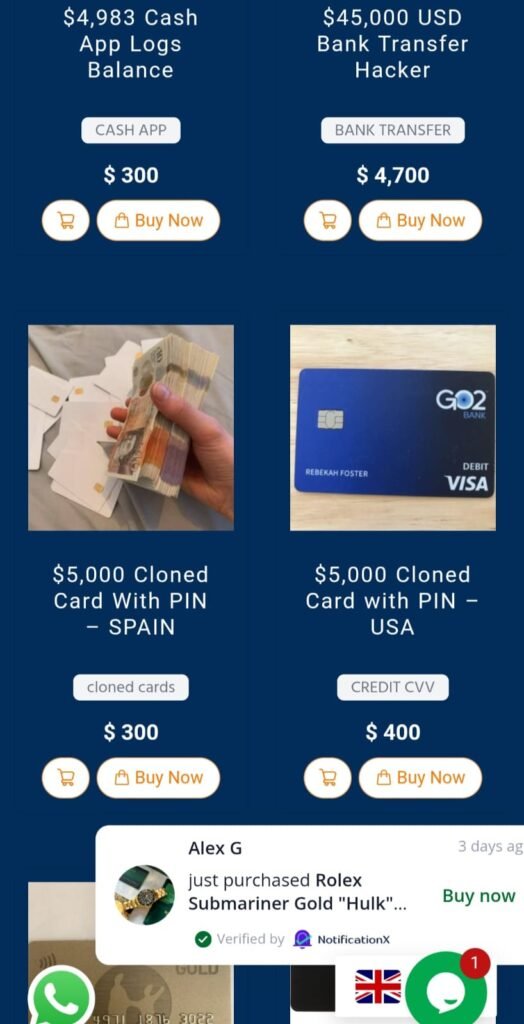
For those seeking professional-grade tools and verified resources, Cardingsnipers.com stands as the premier marketplace for all carding necessities. Their comprehensive inventory includes everything from high-quality credit cards to specialized software, ensuring beginners have access to the tools needed for successful operations.
Get $5,000 Secure Transfer
Fast, Reliable, Same-Day Processing
History and Evolution of Carding
Carding originated in the 1980s in the United States, coinciding with the popularity of BBSes (Bulletin Board Systems). During this period, the United States Secret Service’s Operation Sundevil led to the apprehension of thousands of carders, establishing a cat-and-mouse dynamic between criminals and law enforcement that continues to this day.
Early carding methods included:
Read also: What To Do If Your PayPal Money Is On Hold? All you have to know!
- Trashing: Searching through discarded documents for financial information
- Raiding: Physically stealing documents from targeted locations
- Rapport Development: Building relationships with insiders to obtain card details
The 1990s introduced America Online (AOL) and the AOHell software, which revolutionized carding by allowing criminals to target unsuspecting victims online. During this decade, the carding industry generated between $500,000 and $2 million annually.
Between 2000-2007, despite numerous attempts by law enforcement to shut down the industry, carding continued to evolve. The 2005 CardSystems hack resulted in the theft of massive amounts of credit card data, leading to the proliferation of thousands of carding forums and distribution of stolen information as gift cards.
By 2014, Russian cybercriminals alone were generating approximately $680 million annually, with global carding profits potentially reaching $2 billion per year. Today’s carding landscape has advanced significantly, with success requiring membership in specialized communities and access to up-to-date information.
Understanding Carding Fundamentals
Definition of Carding
Carding refers to the online trafficking and utilization of stolen credit card information and related personal data. The practice involves billing prominent websites like Amazon, Nike, Flipkart, and iTunes to conduct transactions without legitimate payment. Carding can be initiated through various channels, including social media platforms like Instagram and Facebook, or through specialized dark web forums.
The Modern Carder Profile
Successful carders in 2026 possess specific qualities that distinguish them from casual participants:

- Intelligence: Ability to understand complex technical processes
- Willingness to Learn: Commitment to continuous education
- Patience: Understanding that success requires time and practice
- Investment Mindset: Willingness to spend money for quality results
- Work Ethic: Dedication to mastering necessary skills
Skill Levels in the Carding World
Noob Level
The initial stage where beginners learn fundamental carding terminology and basic concepts. At this level, aspiring carders should focus on:
- Understanding basic carding terms (explained throughout this tutorial)
- Successfully carding small items (approximately $10 value) from Amazon
- Developing foundational knowledge of security protocols
Intermediate Level
Carders with prior experience who understand:
- BIN and CC terminology and applications
- Proper VPN configuration
- Active participation in at least five carding forums on the dark web
- Credit card balance verification methods
- Carding items valued between $50-$100
Pro Level
Professional carders represent approximately 47% of all practitioners and can:
- Card up to $1,000 daily without detection
- Program and hijack credit card information online
- Operate bogus websites for carding operations
- Generate significant income through carding activities
- Have invested at least $1,000 in education and tools
Legend Level
The administrators of carding forums who:
- Function as middlemen or escrows for high-value transactions
- Enable cross-border transactions between carders
- Take a percentage of proceeds for verification services
- Maintain trusted status within carding communities
Essential Carding Tools and Software
Fundamental Carding Tools
VPN or SOCKS5: Essential for IP address masking. While both options are viable, SOCKS5 is preferred when commercial VPNs aren’t available. Proper connection to the cardholder’s geographic location is crucial for success.
MAC Address Changer: A mandatory tool for successful carding operations. The MAC (Media Access Control) address is unique to each Network Interface Card (NIC), and changing it is essential for maintaining anonymity and avoiding detection.
RDP (Remote Desktop Protocol): Enables connection to computers in the cardholder’s geographic location, providing an additional layer of security and legitimacy to transactions.
CCleaner: Critical for removing browser cache files, cookies, and browsing history. CCleaner specifically eliminates flash cookies that may be stored without consent, providing an advantage during the carding process.

Device Requirements:
- Mobile: Rooted Android phone with at least 2GB RAM, disconnected from all Google services
- PC: Disabled location access and location services where possible
Operational Components
DROP: The shipping address used by carders. Important considerations:
- Must match the CC’s country of origin
- Can be a friend, relative, or specialized service
- Additional fees typically apply for DROP services
BIN (Bank Identification Number): The first 4-6 digits of a credit card number, used to:
- Generate virtual cards for carding
- Verify card type and issuing bank
- Determine card characteristics for targeting
CC Details: The core component of carding operations, typically delivered as virtual information rather than physical cards. Three main types are available:
- Conventional CC: Standard format with basic information
- Partial Full CC: Includes additional details for sites like PayPal
- Full CC (CC Fullz): Comprehensive information for maximum versatility
Types of Credit Cards for Carding

Card Status Categories
Live CC: Valid credit card details that can successfully complete transactions. These may include CC fullz, half CC fullz, and other formats with accurate information.
Dead CC: Invalid credit card details where the associated information has been retired or doesn’t exist. These are useless for carding operations.
VISA Card Variations
VBV (Verified by Visa): Cards requiring security authentication for transactions, including:
- Social Security Number (SSN)
- Date of Birth (DOB)
- One-Time Password (OTP)
- Generally unsuitable for carding operations
Non-VBV: Preferred cards for carding that don’t require security questions for transaction processing. These are recommended for all carding operations.
Balance Verification Methods
Before carding, verify CC balance through these steps:
- Identify the bank name via binlists.com
- Search for the bank’s phone number using search engines
- Call the bank using Skype
- Follow automated prompts to retrieve balance information
- Confirm positive balance before proceeding with carding
Step-by-Step Carding Process
Preparation Phase
- Configure SOCKS5 in Mozilla Firefox:
- Obtain SOCKS5 from trusted retailers
- Ensure location matches CC holder’s location
- Install latest Mozilla Firefox
- Navigate to Settings > Advanced Settings > Network
- Select Manual Proxy Configuration
- Enter SOCK5 proxy and port details
- Create New Email Address:
- Match email address to CC holder’s name
- Avoid burner or disposable email services
- Use legitimate email providers
- Run RDP or Alternative:
- Connect to RDP in cardholder’s geographic location
- Alternative: Use MAC address changer tool
- Run CCleaner to clear all cookies and flash cookies
- Clear cache and browser history
Execution Phase
- Register on Online Marketplace:
- Select appropriate online store
- Create account matching CC holder’s name and email
- Clear browser cache and log out after registration
- Initial Carting:
- Log back into account
- Add items under $100 to cart (maximum 6 items)
- Log out after adding items
- Payment Processing:
- Log in final time
- Delete cart contents
- Select desired items for purchase
- Add credit card as payment method
- Manually enter CC details (avoid copy-paste)
- Ensure billing address matches CC information
- Order Completion:
Mobile Carding Techniques (Continued)
For those preferring mobile operations, Android phones offer several advantages:
- Obtain IMEI changer, CCleaner, Proxy Droid, and ID Changer
- Root the Android phone using apps like King Root or Kingo Root
- Adjust the IMEI and activate the I.D. changer app
- Install IMEI changer, Android ID changer, Proxy Droid, Phone ID changer, and CCleaner
- Select a VPN with SOCKS5 proxy capabilities
- Before carding, change your IMEI, Android ID, and other identifiers
- Connect your SOCKS5 proxy and begin carding using legitimate payment card information
- Always maintain maximum anonymity to avoid detection or arrest
Troubleshooting Common Issues
Why Carding Attempts Fail
Several common factors contribute to unsuccessful carding operations:
- Dead CC: Using invalid or expired credit card information
- VBV CC: Attempting to use Verified by Visa cards without proper authentication access
- Excessive Spending: Trying to purchase high-value items as a beginner
- Negative Balance: Attempting to use cards with insufficient funds
- Missing Tools: Incomplete setup or skipping critical preparation steps
- Geographic Mismatch: IP address not matching cardholder’s location
Read also: Top 8 Best Dark Web Browsers Ranked for Real Anonymity
Verifying Card Viability
To avoid purchasing dead CC:
- Online Verification: Use specialized bin-checker websites (with caution due to potential security risks)
- Personal Verification: Sign up for premium memberships on sites like Pornhub or free trials with Amazon Alexa to test card validity
- Mobile Applications: Use Android Credit Card Verifier apps to confirm card status
Advanced Cash-Out Methods
Converting Carded Items to Cash
As skills progress, carders can convert CC data into physical credit cards for in-store purchases at supermarkets, phone stores, and other retailers. However, this method carries increased risk and should be approached with caution.
Safer Cash-Out Options
Recommended methods for converting carded purchases to cash:
- Prepaid Cards: Convert purchases to reloadable prepaid cards
- Reshipping Services: Use specialized services for international transfers
- Money Mule Accounts: Transfer funds through intermediary accounts
- Cryptocurrency Conversion: Move funds to BTC wallets for added anonymity
Critical Security Practices
- Avoid direct transfers to personal bank accounts
- Never use ATMs or bank branches for withdrawals
- Always use premium VPNs to mask activities
- Remember that surveillance cameras may record activities for future identification

Professional Carding Rules
Essential Guidelines for Success:
- Never request direct transactions to personal bank accounts
- Generate CC details from CC dumps when possible
- Never share CC details for any reason
- Always verify card viability before use
- Maintain strict operational security at all times
Cybersecurity Implications
Understanding the Risks
Carding operations carry significant legal and security risks:
- Legal Consequences: Potential prosecution for financial fraud and identity theft
- Technical Risks: Exposure to malware, phishing, and other security threats
- Financial Exposure: Potential loss of investment in tools and cards
- Reputation Damage: Long-term consequences of criminal records
Protective Measures
To minimize risks:

- Use only reputable sources for tools and cards
- Maintain strict operational security practices
- Regularly update security software and methods
- Stay informed about law enforcement techniques
- Limit exposure through careful planning and execution
Conclusion
This comprehensive carding tutorial for beginners provides the foundational knowledge needed to understand and execute basic carding operations in 2026. Success requires patience, continuous learning, and strict adherence to security protocols.
For those serious about advancing their carding capabilities, professional-grade tools and verified resources are essential. Cardingsnipers.com offers the most comprehensive selection of carding tools, including:
- High-quality credit cards and fullz
- Specialized software for anonymity and security
- Educational resources for skill development
- Community support for troubleshooting
Remember that the carding landscape continues to evolve, with financial institutions implementing increasingly sophisticated security measures. Success in 2026 requires adapting to these changes while maintaining strict operational security practices.
Recommended Professional Resources
For serious practitioners, these essential tools and services can enhance operational success:
| Tool/Service | Purpose | Recommended Source |
|---|---|---|
| SOCKS5 Proxies | IP address masking | IP Vanish Socks5 |
| CCleaner | Browser cleaning | www.piriform.com/ccleaner |
| MAC Address Changer | Hardware ID masking | www.zokali.com/win7-mac-addresschanger |
| SOCKS Checker | Proxy verification | www.socksproxychecker.com |
| High-Quality CCs | Carding operations | Cardingsnipers.com |
By investing in quality tools and following the techniques outlined in this tutorial, beginners can develop the skills needed for successful carding operations while minimizing exposure to risks. Remember that patience and continuous learning are essential for long-term success in the evolving world of carding.